หลักการทํางานของเครื่องวางตําแหน่งวาล์ว: คู่มือเทคนิคครบถ้วน
เครื่องวางตําแหน่งวาล์วเป็นอุปกรณ์ที่จําเป็นในระบบควบคุมอุตสาหกรรม การันตีการทํางานของวาล์วที่แม่นยําโดยการปรับความดันของตัวขับเคลื่อนโดยใช้สัญญาณควบคุมหากคุณกําลังจัดการกับการควบคุมกระบวนการในโรงแปรรูปน้ํามัน, โรงงานเคมี, หรือการผลิตพลังงานหลักการทํางานของเครื่องวางตําแหน่งวาล์วเป็นสิ่งสําคัญในการปรับปรุงผลงานและลดเวลาหยุดทํางานให้น้อยที่สุดเครื่องวางตําแหน่งวาล์ว, กลไก, ประเภท, และประโยชน์ของพวกเขา, โดยใช้คําอธิบายง่าย ๆ ที่สนับสนุนด้วยรายละเอียดทางเทคนิค.

เครื่องวางตําแหน่งวาล์ว หลักการพื้นฐานของวาล์วควบคุมและ...
เครื่อง ติด วาล์ว คือ อะไร?
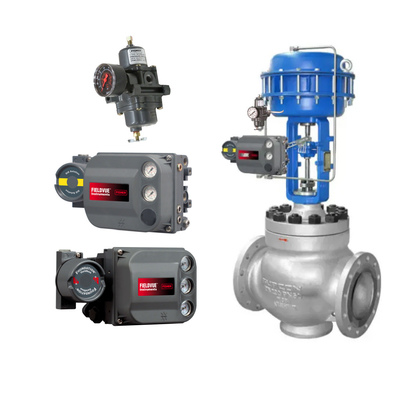
Aเครื่องวางตําแหน่งวาล์วเป็นอุปกรณ์ควบคุมการตอบสนองที่ติดตั้งอยู่บนตัวขับเคลื่อนของวาล์วควบคุม มันเปรียบเทียบตําแหน่งจริงของลูกวาล์วกับตําแหน่งที่ต้องการจากสัญญาณควบคุม (เช่น4-20 mA หรือ 3-15 psi) และปรับความดันอากาศที่ตัวขับเคลื่อนตามโดยไม่มีเครื่องตั้งตําแหน่ง ปัจจัยต่างๆ เช่น การขัดแย้ง ความดันแตกต่าง หรือการปรับปรุงความสับสนของเครื่องผลักดัน สามารถทําให้การตั้งตําแหน่งไม่แม่นยํา ส่งผลให้กระบวนการไม่มีประสิทธิภาพ หรือมีปัญหาด้านความปลอดภัย
ทําไมเราถึงต้องการเครื่องวางวาล์ว?ในการตั้งค่าพื้นฐาน สัญญาณควบคุมขับเคลื่อนตัวขับเคลื่อนโดยตรง แต่สภาพในโลกจริง (เช่น ความดันความแตกต่างสูง) ส่งผลให้เกิดการเบี่ยงเบนตําแหน่งต้นไม้คือตัวแปรกระบวนการ (PV), สัญญาณการควบคุมคือจุดตั้ง (SP) และผลิตไปยังตัวขับเคลื่อนคือตัวแปรที่ควบคุม (MV)
หลักการทํางานของเครื่องวางตําแหน่งวาล์วอธิบาย
หลักหลักการทํางานของเครื่องวางตําแหน่งวาล์วใช้ความสมดุลของแรง หรือการตอบสนองการเคลื่อนไหว เพื่อให้เกิดการควบคุมที่แม่นยํา
- การรับสัญญาณ: เครื่องตั้งตําแหน่งได้รับสัญญาณเข้าจากตัวควบคุม (พนูเมติก: 3-15 psi; ไฟฟ้า: 4-20 mA)
- การเปรียบเทียบ: โดยใช้เครื่องเปรียบเทียบ (กระบอกกลหรือวงจรอิเล็กทรอนิกส์) มันวัดความแตกต่างระหว่างสัญญาณเข้าและผลตอบกลับจากกระดูกวาล์ว (ผ่านแคม, เลเวอร์, หรือเซ็นเซอร์)
- การปรับ: หากไม่ตรงกัน ระบบตั้งตําแหน่งปรับระบายอากาศ:
- เพิ่มขึ้น/ลดความดันที่ diaphragm หรือ piston ของตัวขับเคลื่อน
- สําหรับชนิดปนูเมติก, การประกอบ flapper-nozzle จํากัดอากาศ, สร้างแรงกดกลับเพื่อเปิด / ปิดวาล์วอาหาร
- ในไฟฟ้าปนูเมติก เครื่องแปลง I/P เปลี่ยนกระแสเป็นแรงดัน
- วงจรการตอบสนอง: การเคลื่อนไหวของสตัม อัพเดทสปริงหรือเซ็นเซอร์การตอบสนอง, ปรับสมดุลจนตําแหน่งตรงกับสัญญาณ
เครื่องตั้งระบายอากาศทํางานอย่างไรมันใช้ปริมาณความดันอากาศในการปรับสัดส่วน การใส่อากาศจะขยายลมพัดลม ขยับรังสีเพื่อปกคลุมช่องฉีด ปรับความดันกลับให้เพิ่มขึ้นผลตอบสนองจากต้นปรับสปริงเพื่อคืนสมดุล.
เครื่องวางตําแหน่งวาล์วไฟฟ้าปนิวเมติกทํางานอย่างไรเปลี่ยนแปลง 4-20 mA เป็นผลิตแบบปนูเมติกผ่านเครื่องแปลง I/P (เช่น เครื่องปรับระบายน้ําหรือเครื่องปรับระบายน้ํา) การปรับผลตอบสนอง (ปัตติโอเมตรหรือ LVDT) ให้ละเอียดเพื่อความแม่นยํา (± 0.5-1%)
เครื่องวางตําแหน่งวาล์วดิจิตอลทํางานอย่างไรไมโครโปรเซสเซอร์ประมวลผลสัญญาณ (HART/Fieldbus) ด้วยอัลการิทึมที่พัฒนาขึ้นสําหรับการปรับขนาดอัตโนมัติและการบํารุงรักษาแบบคาดการณ์
ประเภทของเครื่องวางตําแหน่งวาล์วและหลักการของมัน
- เครื่องปนูเมติก: อุปสรรคแรงผ่านกล่องและสปริง ง่ายและน่าเชื่อถือสําหรับพื้นที่อันตราย; การตอบสนอง 1-2 วินาที
- อิเล็กตรอนิวเมติก (E/P): เพิ่มไฟฟ้าเข้าเพื่อการควบคุมที่ดีกว่า; ใช้เครื่องแปลงสําหรับการแปลง
- ดิจิตอล/สมาร์ท: ใช้โปรเซสเซอร์กับการวินิจฉัย; รองรับโปรโตคอลเช่น HART 7 สําหรับการติดตามทางไกล
เคล็ดลับการเลือก: ปนูมาติกสําหรับความปลอดภัยภายใน; ดิจิตอลสําหรับการบูรณาการอุตสาหกรรม 4.0
ข้อดีของการใช้เครื่องวางตําแหน่งวาล์ว
- ความแม่นยํา: ลดความอ่อนไหว/ความอ่อนไหวเป็น < 0.5%
- ความมั่นคง: รับมือกับการขัดขัดและความดันเปลี่ยนแปลง
- การตรวจสอบ: รูปแบบที่ฉลาดสามารถคาดการณ์ความล้มเหลวได้ ผ่านสัญญาณของวาล์ว
- ประสิทธิภาพ: ตัวเลือกที่ใช้พลังงานน้อย ช่วยประหยัดพลังงาน
ปัญหา และ วิธี แก้ไข
ทําไมเครื่องวางวาล์วไม่ตอบสนอง?ตรวจสอบการให้อากาศ (20-100 psi) และความสมบูรณ์ของสัญญาณ
อะไรเป็นสาเหตุของการล่า/สั่นสะเทือน?การปรับ PID หรือการรั่วไหลเกินขั้นตอน การแก้ไข: ใช้การปรับอัตโนมัติในรุ่นดิจิตอล
วิธีการปรับระดับตัววางวาล์วทางเข้า 4 mA (ศูนย์) ปรับจนปิด; 20 mA (สเปน) สําหรับการเปิดเต็ม
เชียงจิง: ซัพพลายเออร์เครื่องวางตําแหน่งวาล์วที่เชื่อถือได้ในจีน
ในฐานะหนึ่งในผู้จําหน่ายเครื่องวางวาล์วที่ใหญ่ที่สุดของจีน Xiangjing ให้บริการหลากหลายยี่ห้อและรุ่นที่มีคลังสินค้าที่กว้างขวางเพื่อการจัดส่งอย่างรวดเร็วระยะเวลาการดําเนินงานที่น่าเชื่อถือ, และการสนับสนุนทางเทคนิคผู้เชี่ยวชาญเพื่อแก้ปัญหาการควบคุมของคุณwww.shgongboshi.comสําหรับการปรึกษาและคําอ้างอิงเครื่องวางตําแหน่งวาล์ว.
คําสําคัญ: เครื่องวางตําแหน่งวาล์ว, หลักการทํางานของเครื่องวางตําแหน่งวาล์ว, หลักการทํางานของเครื่องวางตําแหน่งวาล์วแบบพนูเมติก, หลักการทํางานของเครื่องวางตําแหน่งวาล์วแบบไฟฟ้าหลักการทํางานของเครื่องวางตําแหน่งวาล์วดิจิตอล, วิธีการทํางานของเครื่องวางตําแหน่งวาล์ว, การปรับระดับเครื่องวางตําแหน่งวาล์ว, ประเภทของเครื่องวางตําแหน่งวาล์ว


 ข้อความของคุณจะต้องอยู่ระหว่าง 20-3,000 ตัวอักษร!