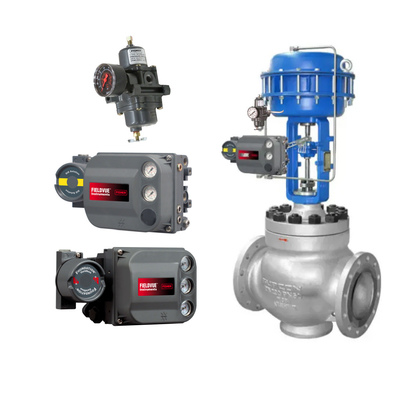
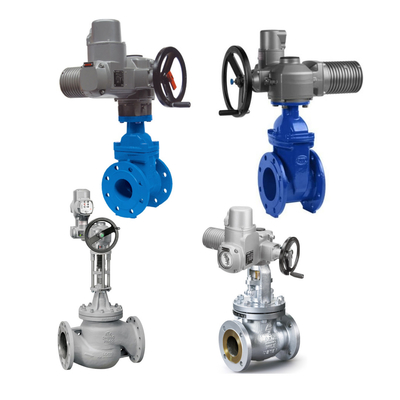
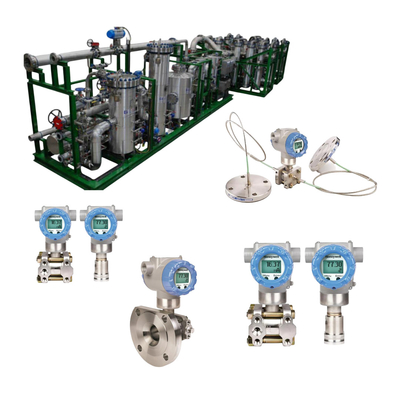
เครื่องตั้งตําแหน่งวาล์ว VS เครื่องส่งตําแหน่ง: ความแตกต่างหลักที่อธิบาย
ในอุตสาหกรรมอัตโนมัติ, วิศวกรมักจะสับสนวางตําแหน่งของวาล์วและตัวส่งตําแหน่ง, ส่งผลให้การตั้งค่าในวงจรควบคุมไม่ดีที่สุด.บทบาทของพวกเขาแตกต่างกันโดยพื้นฐานจากการแก้ไขปัญหาในสนามในโรงงานปิโตรเคมีมา 20 ปีความแตกต่างระหว่างเครื่องตั้งตําแหน่งวาล์วและเครื่องส่งตําแหน่ง, รวมหลักการทํางาน, ความแตกต่างหลัก, การใช้งานและอุปสรรคทั่วไปโดยใช้ตัวอย่างและแผนภูมิจากโลกจริง.
ความ สําคัญ: มัน คือ อะไร และ มัน ทํา งาน อย่าง ไร
Aเครื่องวางตําแหน่งวาล์วเป็นตัวควบคุมที่ทํางานที่รับสัญญาณควบคุม (ตัวอย่างเช่น 4-20 mA) และปรับความดันอากาศของตัวขับเคลื่อนให้เหมาะสมกับตําแหน่งของกระดูกวาล์ว โดยชําระค่าตอบแทนต่อการกระตุ้น, การขัดแย้งหรือความดันตกมันคือหลักการทํางานของเครื่องวางตําแหน่งวาล์วหมุนเวียนรอบระบบวงจรปิด: ผลตอบสนองจากต้นไม้ (ผ่านการเชื่อมต่อหรือเซ็นเซอร์) ถูกเปรียบเทียบกับจุดตั้งค่า และเครื่องตั้งตําแหน่งปรับปรับผลิตจนกว่ามันจะตรงกันในชนิดปนูเมติก, ช่องฟลาปเปอร์สร้างความดันกลับเพื่อย้ายรีเล่ห์, ส่งอากาศไปยังแผ่นผ่า. รุ่นดิจิตอลเช่น Fisher DVC6200 เพิ่มอัลการิทึม PID เพื่อการตอบสนองเร็วขึ้น (<0.3 วินาที) และการวินิจฉัย.
ในทางตรงกันข้ามเครื่องส่งตําแหน่งเป็นเซ็นเซอร์ที่ปนเปื้อนที่วัดตําแหน่งต้นไม้และแปลงมันเป็นสัญญาณออก (เช่น 4-20 mA หรือดิจิตอล) สําหรับการติดตามหรือการตอบสนองต่อ PLC / DCSหลักการของตัวส่งตําแหน่งเป็นเรื่องตรงไปตรงมา: พันธมิตร, LVDT, หรือเซ็นเซอร์อิทธิพลของฮอลล์ตรวจจับการเคลื่อนไหวเชิงเส้น / หมุน, ปรับขนาดมันให้กับช่วงสัญญาณ ไม่มีการปรับที่เกิดขึ้นเหมือนเครื่องวัดความเร็วที่แสดงความเร็ว โดยไม่ต้องควบคุมเครื่องยนต์.
จากโครงการโรงชําระน้ําของฉัน เครื่องตั้งตําแหน่งแก้ปัญหาด้านไดนามิก (เช่น การเคลื่อนไหวของเครื่องขับเคลื่อน) ขณะที่เครื่องส่งข้อมูลให้ข้อมูลสําหรับการวิเคราะห์แนวโน้ม
ความแตกต่างหลัก: การ เปรียบเทียบ
นี่คือจุดที่หลายรายละเอียดถูกขัดแย้ง ผู้วางตําแหน่งเป็น "ผู้กระทํา" ผู้ส่งสัญญาณเป็น "นักรายงาน"
| มุมมอง |
เครื่องวางตําแหน่งวาล์ว |
เครื่องส่งตําแหน่ง |
| หน้าที่ |
การควบคุมตัวขับเคลื่อนเพื่อบรรลุตําแหน่งที่ต้องการ |
วัดและส่งสถานะปัจจุบัน |
| บทบาทของลุป |
เครื่องควบคุมการตอบสนองแบบปิดวงจร |
เซ็นเซอร์วงจรเปิดสําหรับการติดตาม |
| การเข้า/การออก |
การเข้า: สัญญาณการควบคุม; การออก: ความดันของเครื่องขับเคลื่อน |
ทางเข้า: การเคลื่อนไหวของต้น; ทางออก: สัญญาณ (4-20 mA) |
| หลักการ |
ความสมดุลแรง / การเคลื่อนไหวพร้อมการปรับ |
การแปลงเส้นตรง (ตัวอย่างเช่น ความต้านทานต่อกระแส) |
| ความถูกต้อง |
± 0.1-0.5% พร้อมการปรับ |
± 0.25-1% ขึ้นอยู่กับเซ็นเซอร์ |
| ความต้องการพลังงาน |
เครื่องขับเคลื่อนแบบลุปหรือภายนอก (ลม / ไฟฟ้า) |
ปัจจุบันใช้ไฟฟ้าแบบลุป |
| ประเภททั่วไป |
เครื่องปนูเมติก เครื่องไฟฟ้าปนูเมติก เครื่องดิจิตอล |
อานาล็อก (พัตติโอเมตร) ดิจิตอล (ฮอลล์) |
เครื่องตั้งตําแหน่งจัดการกับความไม่เส้นตรง เช่น deadband (การลดลงถึง 5%) ในขณะที่เครื่องส่งแสงสว่างในการวินิจฉัยโดยไม่ต้องมีการลงมือควบคุมแลกเปลี่ยนตัวส่งสัญญาณกับเครื่องตั้งตําแหน่ง แก้ไขปัญหาการเกินระยะ.
สถานการณ์ การ ใช้: เมื่อ ใช้ แต่ ละ ตัว
- เครื่องวางตําแหน่งวาล์ว: สําคัญในวงจรควบคุมที่ทํางานที่มีความแม่นยําใช้ในการใช้งานในการปรับระบายน้ํา เช่น การควบคุมการไหลในปฏิกิริยาเคมี หรือการควบคุมความดันในท่อน้ํามันเหมาะสําหรับเครื่องขับเคลื่อนขนาดใหญ่หรือวาล์วความตึงเครียดสูง, ลดการสูญเสียพลังงานถึง 10-20% ด้วยการตั้งตําแหน่งที่แน่น
- เครื่องส่งตําแหน่ง: เหมาะสําหรับการติดตามและตรวจสอบ ใช้ในระบบความปลอดภัยเพื่อยืนยันสถานะของวาล์ว (เช่น เปิด / ปิดในวงจร ESD) หรือบูรณาการกับ SCADA สําหรับการตรวจสอบทางไกลในโรงงานบํารุงน้ําไม่ใช่สําหรับการควบคุมโดยตรง มันเหมือนกับเครื่องวัดไม่ใช่นิ้วรถ
ในการผลิตพลังงาน เครื่องตั้งตําแหน่งดูแลการปรับปรุงน้ําอาหารของหม้อ; เครื่องส่งติดตามภาวะของวาล์วแยกเพื่อตรวจสอบความเป็นมา
ทําไมต้องใส่ตัวส่งตําแหน่ง 4-20mA บนแวลล์ควบคุม
ความ คิด ที่ ไม่ ถูก ต้อง ที่ ผู้ รับ ซื้อ มัก จะ มี และ วิธี ป้องกัน
ความเข้าใจผิดที่ 1: "พวกมันสามารถแลกเปลี่ยนกันได้" ความจริง: การติดตั้งเครื่องส่งสัญญาณแทนเครื่องตั้งตําแหน่งจะนําไปสู่การควบคุมที่ไม่ดีลูกค้าในสาขาผลิตภัณฑ์เห็นความแตกต่างในกระบวนการ 15% จนกระทั่งเราปรับปรุงเครื่องวางตําแหน่ง.
ความเข้าใจผิดที่ 2: "ตัวส่งสัญญาณให้บริการควบคุม" ไม่ พวกเขาเพียงแค่รายงานในกรณี ΔP สูง โดยไม่มีการปรับตําแหน่งของตัวขับเคลื่อนจะลอย ส่งผลให้มีการรั่วไหลหรือไม่มีประสิทธิภาพ
ความ คิด ที่ ไม่ ถูก ต้อง ที่ 3: "เวอร์ชั่น ดิจิทัล ดี กว่า เสมอ".
คําแนะนํา: ตรวจสอบความต้องการวงจรเสมอ ควบคุมต้องการตัวตั้งตําแหน่ง; ความตอบสนองที่บริสุทธิ์ชอบตัวส่ง จากการตรวจสอบของฉัน 30% ของปัญหามาจากการผสมผสานนี้
เชียงจิง: ซัพพลายเออร์ของคุณสําหรับเครื่องวางตําแหน่งวาล์วและเครื่องส่งสัญญาณ
ในฐานะหนึ่งในผู้จําหน่ายเครื่องวางวาล์วที่ใหญ่ที่สุดของจีน Xiangjing ให้บริการที่หลากหลายของแบรนด์และรุ่นที่มีคลังสินค้าที่กว้างขวางสําหรับการจัดส่งอย่างรวดเร็วระยะเวลาการดําเนินงานที่น่าเชื่อถือ, และการสนับสนุนทางเทคนิคผู้เชี่ยวชาญเพื่อแก้ปัญหาการควบคุมของคุณwww.shgongboshi.comสําหรับการอ้างอิงเครื่องวางตําแหน่งวาล์วและเครื่องส่งสัญญาณ
คําสําคัญ: ระบบตั้งตําแหน่งวาล์ว VS ระบบส่งตําแหน่ง ความแตกต่างระหว่าง ระบบตั้งตําแหน่งวาล์ว และ ระบบส่งตําแหน่ง หลักการทํางานของ ระบบตั้งตําแหน่งวาล์ว หลักการส่งตําแหน่งการใช้งานเครื่องวางตําแหน่งวาล์ว, การใช้เครื่องส่งตําแหน่ง, ระบบตั้งตําแหน่งวาล์วแบบพนูเมติก VS ระบบส่ง, ความแตกต่างของเครื่องตั้งตําแหน่งวาล์วดิจิตอล


 ข้อความของคุณจะต้องอยู่ระหว่าง 20-3,000 ตัวอักษร!