Fisher SVX Steam Conditioning Valve: Pressure and Temperature Control in Power Plants
Why Steam Conditioning Matters in Power Plants
Steam systems in modern power plants must handle changing loads, frequent startups, shutdowns, and rapid operating transitions. During these conditions, steam pressure and temperature need to be controlled within the limits required by downstream equipment.
A conventional pressure-reducing valve and a separate desuperheating system may require additional piping, installation space, and coordination between different control components.
A steam conditioning valve combines pressure reduction and temperature control in one integrated assembly. Emerson introduced the Fisher SVX Steam Conditioning Valve in 2026 for turbine bypass systems, combined-cycle power plants, and other demanding steam applications.
The SVX is a flow-down design developed to provide controlled steam pressure reduction and water injection for temperature management.

1. Integrated Pressure and Temperature Control
The Fisher SVX combines two important functions.
Steam Pressure Reduction
The valve regulates downstream steam pressure by controlling the flow area through its internal trim. Its pilot plug design supports precise control and is intended to provide effective control with smaller actuators.
Steam Temperature Reduction
The valve incorporates a steam-atomized nozzle. Water is introduced into the steam flow to reduce temperature through evaporation.
The nozzle design and water atomization are important because poor mixing or incomplete evaporation can lead to water carryover, thermal stress, or damage to downstream piping.
Combining these functions in one valve assembly can simplify the overall steam conditioning arrangement, although the final design still depends on the operating conditions and system layout.
2. Key Design Features of the Fisher SVX
The SVX incorporates several design elements intended for demanding steam service.
Whisper Flow Down Technology
Emerson's patent-pending Whisper Flow Down Technology is designed to reduce noise and vibration while maintaining high flow capacity. This is important in turbine bypass systems where large pressure drops can create challenging aerodynamic conditions.
Steam-Atomized Nozzle
The steam-atomized nozzle supports water atomization and vaporization across a wide operating range. It also helps protect downstream piping and can reduce straight-pipe length requirements, subject to the final system design.
Pressure Seal Bonnet
The pressure seal bonnet design supports sealing performance in high-pressure steam applications.
Pilot Plug Design
The pilot plug supports precise control and can help reduce actuator sizing requirements compared with some alternative arrangements.
Optimized Valve Body
The valve body was developed using finite element analysis (FEA) and computational fluid dynamics (CFD) to address high-pressure steam and rapid thermal cycling.
The SVX also permits vertical or horizontal installation orientations, providing flexibility for different piping arrangements.
3. Typical Applications
Combined-Cycle Power Plants
Combined-cycle plants frequently use turbine bypass systems to manage steam during startup, shutdown, and changing operating conditions. The SVX is designed for this type of demanding service.
Turbine Bypass Systems
During turbine startup or trip conditions, steam may need to be redirected while pressure and temperature are controlled. A properly selected steam conditioning valve helps protect downstream equipment.
Industrial Steam Systems
Some industrial facilities require steam pressure reduction and temperature control before steam is supplied to process users. The SVX may be considered where an integrated solution is appropriate.
4. Fisher SVX vs. Conventional Steam Conditioning Arrangements
The main difference is the integration of pressure control and temperature control within one valve assembly.
A conventional arrangement may use separate pressure-reducing and desuperheating equipment. This can provide flexibility in system design, but may also require more components and additional piping.
The Fisher SVX integrates these functions and incorporates a flow-down design with dedicated noise-control and atomization features.
However, an integrated valve is not automatically the best choice for every steam system. Engineers should compare operating range, pressure drop, steam flow, water injection requirements, maintenance access, and overall installation cost.
5. Key Parameters for SVX Valve Selection
Selecting a steam conditioning valve requires more than matching the pipeline size.
Before requesting a quotation, buyers and engineering teams should prepare:
-
Upstream and downstream steam pressure
-
Normal, minimum, and maximum steam flow
-
Inlet steam temperature and required outlet temperature
-
Spray water pressure, temperature, and available flow
-
Required pressure class and end connections
-
Steam quality and operating range
-
Noise and vibration limits
-
Actuator type and control requirements
-
Installation orientation and available space
These parameters are essential for valve sizing, trim selection, nozzle configuration, and actuator specification.
Fisher SVX Steam Conditioning Valve Supply
The Fisher SVX is a specialized solution for power generation and high-demand steam applications. Correct selection requires a review of the complete operating envelope, not simply the nominal pipe size.
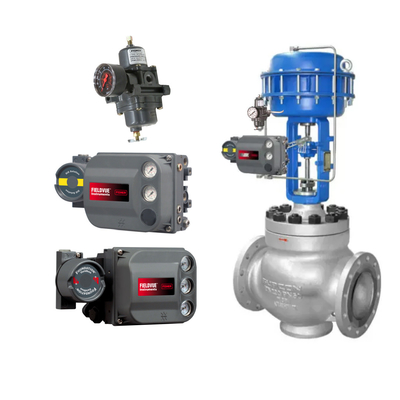
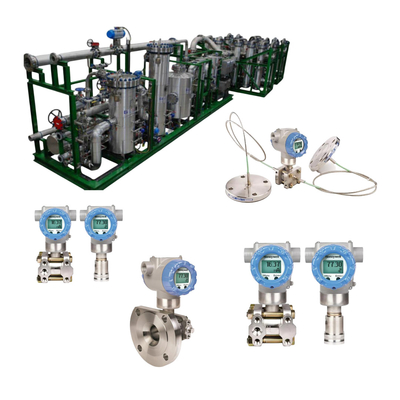
We support sourcing of Fisher control valves, steam conditioning valves, actuators, and related instrumentation for industrial and power generation projects.
For an SVX quotation, please provide the process data, valve size, pressure class, steam flow range, outlet temperature target, and actuator requirements. Technical review can help confirm the appropriate valve configuration before ordering.


 ข้อความของคุณจะต้องอยู่ระหว่าง 20-3,000 ตัวอักษร!